Do no harm: The AI deployment principle nobody’s applying
Most conversations about AI deployment focus on capability: what can the model do, how fast can it work, how much can it automate. The harder question, the one almost no one is asking before they deploy, is whether the design causes harm to the people it’s supposed to help.
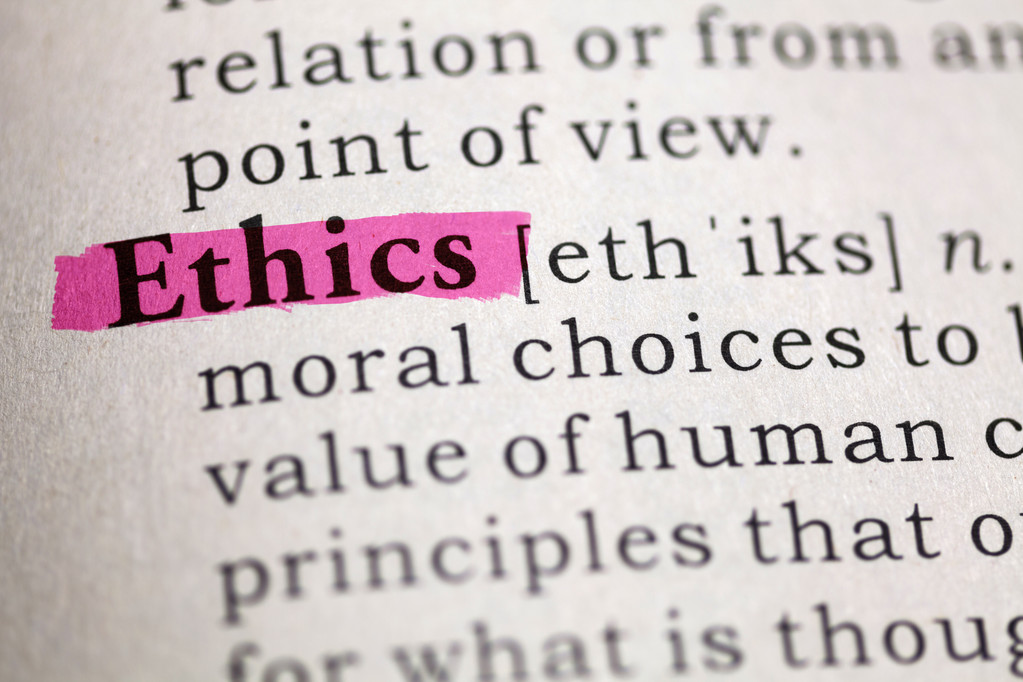
That question has a name in medical ethics: non-maleficence. Do no harm. In healthcare, it’s the baseline obligation you have to clear before you can claim you’re doing good. Productivity gains don’t satisfy it on their own. Better outcomes don’t satisfy it on their own. The question is whether the intervention itself causes harm, and if it does, the benefits elsewhere don’t cancel that out.
Applied to AI deployment, the non-maleficence standard asks something most organizations aren’t asking: does this design leave the people using it in a worse position than before, even if the aggregate metrics look fine?
The harm most organizations aren’t measuring
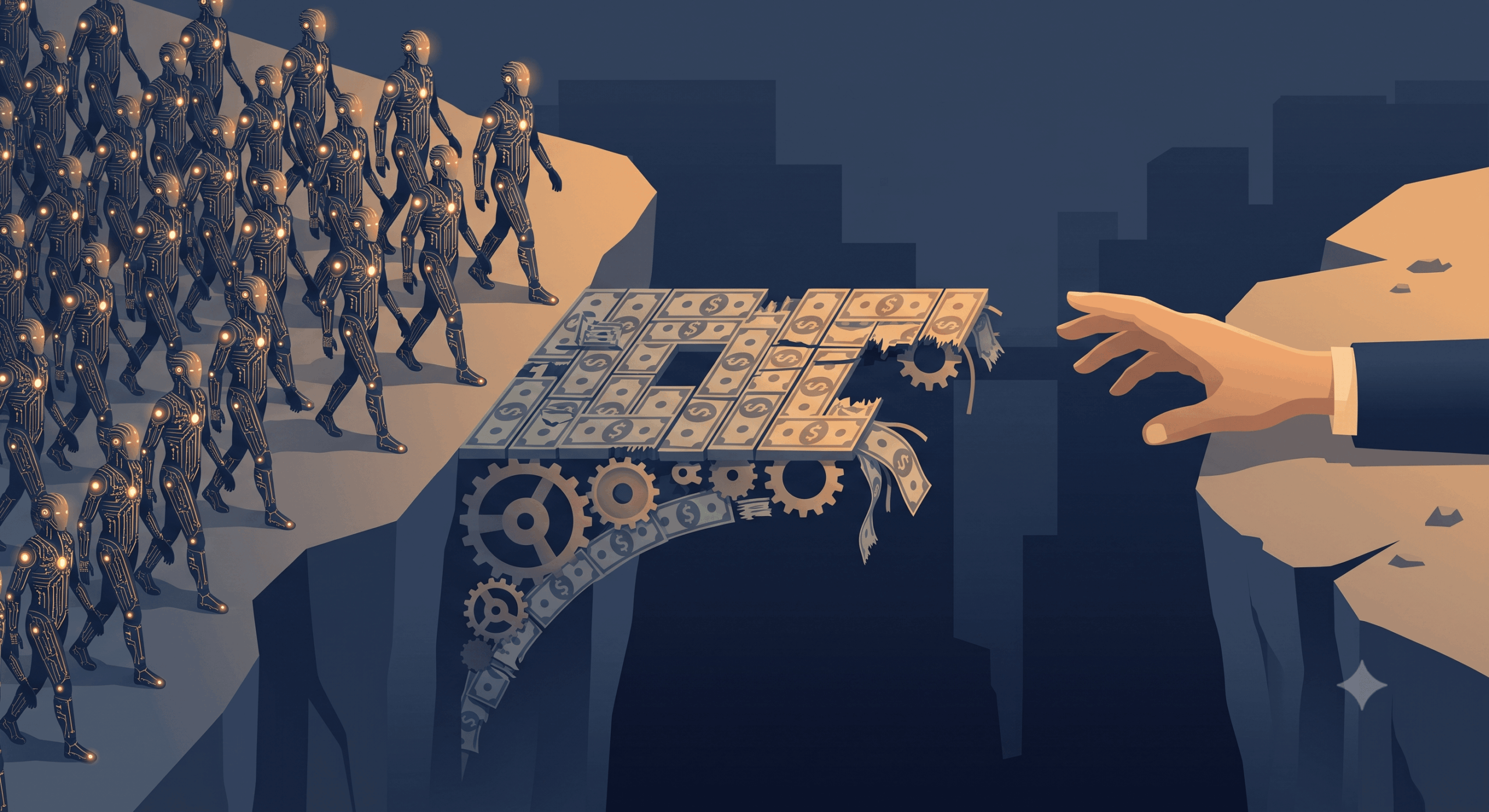
Research by Sarah Bankins and colleagues in the Journal of Business Ethics identifies three paths an AI deployment can take. In the first, AI replaces specific tasks. In the third, it amplifies what humans can do. The middle path, where most deployments land by default, is where workers become monitors and correctors of AI output rather than practitioners of their craft. Bankins calls this “tending the machine.”
A 2025 systematic review of 23 empirical studies sharpened the picture further. Workers on this middle path take on what the researchers call “AI managerial labor”: reviewing outputs, compensating for errors, refining results. Their coherent job responsibilities fragment into piecework. Measurable tension builds around professional identity and role boundaries.
The productivity numbers can look fine the whole time. That’s what makes this failure mode so difficult to catch. Token counts go up. Tasks get completed faster. But the work that gave people their sense of craft, progression, and expertise has been quietly absorbed by the system they’re now maintaining.
This is the non-maleficence violation: a deployment that improves output metrics while degrading the quality of work experience for the people doing it. Because it’s quiet harm, not dramatic, not visible in any dashboard, most organizations don’t discover it until retention starts to slip, quality drifts, or the tools simply stop being used well.
What the research says actually works
The question isn’t whether to use AI. It’s how to design the relationship between humans and AI so that both are operating at their strengths.
Research on AI in customer service environments found that collaborative intelligence (CI) systems, those designed to facilitate active cooperation between humans and AI rather than substitution, consistently deliver the most organizational value. The reason is straightforward: they leverage the strengths of both humans and AI models rather than trying to replace one with the other.
In practice, this looks like AI handling the volume and pattern-recognition tasks it’s genuinely better at, routing, recall, consistency, while agents focus on judgment calls, emotional complexity, and edge cases that require contextual understanding no model has yet matched. The agent isn’t watching over AI. The agent is doing the work that only the agent can do.
That distinction matters not just for performance, but for how the person doing the job experiences it. When AI is designed to protect and amplify a worker’s craft rather than absorb it, employees report higher engagement, clearer professional identity, and stronger motivation. The non-maleficence standard is cleared, and the organizational outcomes reflect it.
The design decision that’s still available
For anyone deploying AI right now, whether you’re a founder building a new product, a team lead implementing a new tool, or a knowledge worker figuring out how to use AI in your own workflow, the collaborative intelligence frame offers a practical reorientation.
The question isn’t: what can AI do that I’m currently doing? The question is: what am I actually here to do, and how can AI help me do more of it?
That requires knowing your own strengths well enough to protect them. It requires understanding which parts of your work carry craft, identity, and expertise, and treating those as things to amplify, not hand off. And it requires evaluating AI tools not just on what they automate, but on what they leave you doing once the automation is in place.
A deployment that clears your calendar of the work you’re best at hasn’t helped you. Neither has one that leaves you monitoring outputs all day while the judgment calls you were hired to make get absorbed into a model. The non-maleficence bar isn’t cleared by efficiency gains. It’s cleared when the people doing the work still feel, at the end of the day, like they’re doing their best work.
That’s the design question most organizations aren’t asking. It’s the one that determines everything else.
About the author : Charles

Charles Costa, MLIS is a researcher, strategist, and founder of Lexora Labs, where he works on AI adoption, knowledge management, and the future of expert